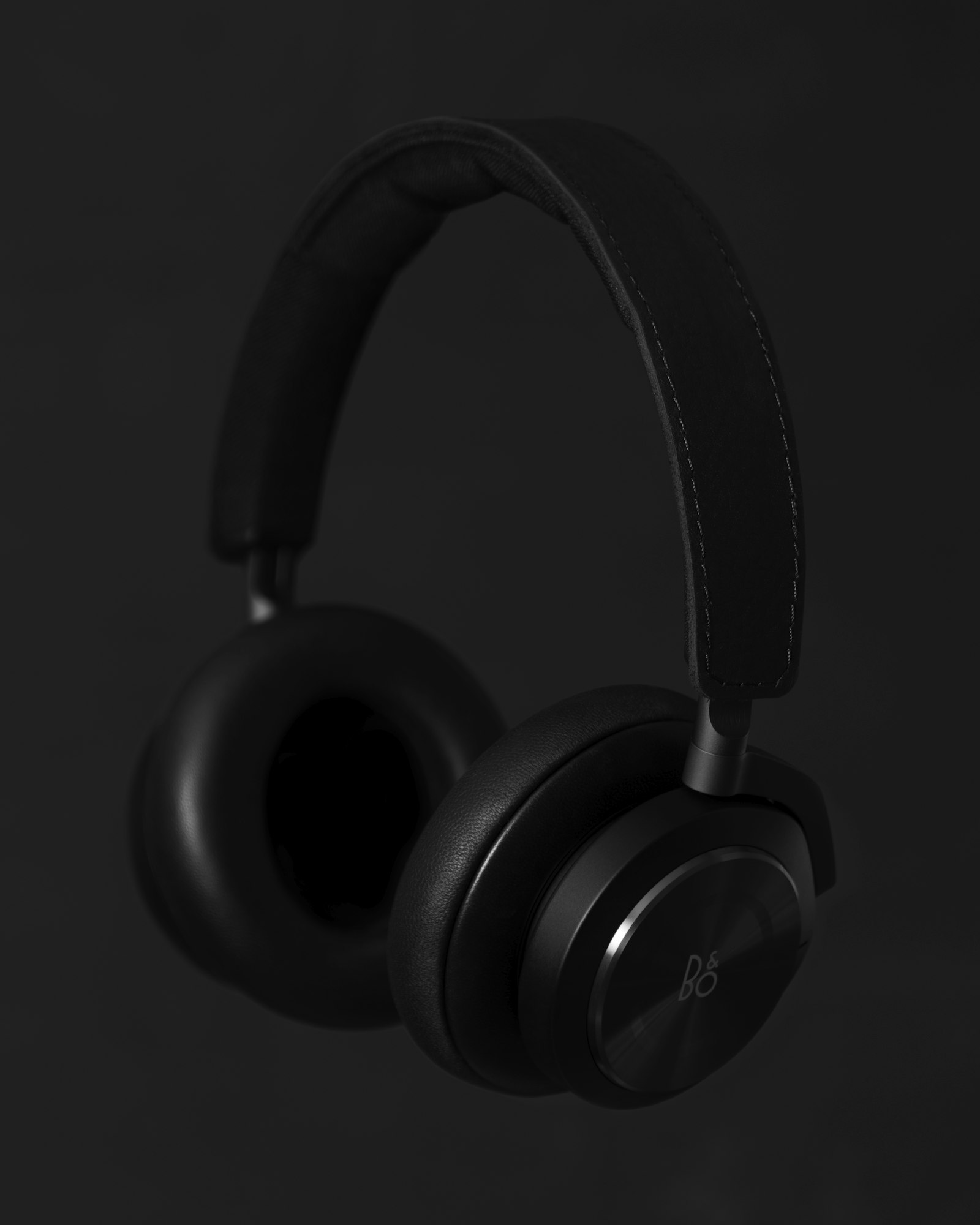
There is a moment in almost every session when someone asks for it louder. The chorus has just landed, the low end is blooming, and the instinct is to reach for the monitor level and let the room shake a little. It always feels good. That is exactly the problem.
Loud flatters everything. Push enough level through a decent pair of monitors and the thinnest mix in the world will feel like an event — the ear is simply built that way. At high volume our hearing flattens its own frequency response, bass and treble surge forward, and everything acquires a false sense of weight and excitement. Loud is a magic trick the ear plays on the person paying for the session. And like most magic tricks, it stops working the moment the audience goes home.
Because nobody lives at 95 decibels. The record you finish tonight will be heard tomorrow on a phone speaker in a kitchen, on foam earbuds on a bus, on a television two rooms away. It will be played quietly far more often than it will ever be played loud. If a mix only works at volume, it only works in the room it was made in — and that is the one room where it will never be heard again.
What loud hides
At Shobdo the main monitors spend most of the day barely above the level of conversation. Visiting clients sometimes think it is modesty, or that we are warming up to the real thing. It is neither. It is the most honest measurement we have.
Quiet listening strips a mix of its costume. At whisper volume the ear stops being seduced and starts being accurate: balances show their true weights, and anything leaning on level to survive simply disappears. A vocal that was actually two decibels too low stops being ‘vibey’ and becomes what it always was — too low. A snare that only cut through because the room was shaking politely leaves the stage. What remains is the arrangement itself, standing there without lighting, and you can finally see whether it can hold the song on its own.
The whisper test
Somewhere near the end of every mix here, the level comes down until the music is barely louder than the air conditioning. Then we ask the same short list of questions, every time:
- Can you still follow the melody without leaning in?
- Is the vocal carrying the story, or just surviving it?
- Does the rhythm still move — do you know where the pulse is without trying?
- Has anything gone entirely? And if so, did you actually miss it?
That last question is the quiet assassin. Instruments that vanish at low volume and are not missed were probably never earning their place. Sometimes the whisper test finishes an argument that two hours of soloing could not: the part was decoration, and the song is lighter without it.
A mix that survives at a whisper will thrive at any volume. The reverse has never once been true.
What it does to decisions
Mixing quietly changes your relationship with every tool in the chain. Compression stops being something you hear as flavour and becomes something you hear as balance — you notice that a phrase stays seated in the track, instead of admiring the texture of the compressor doing it. Reverbs reveal their real size; at low level a hall that felt lush turns either into space or into fog, and there is no hiding which one it is. Equaliser moves get smaller, because the ear is no longer asking to be entertained — only answered.
It also protects the people doing the work. Ears wear out fast at high level; judgment gets measurably worse within an hour, and a loud session gets louder and louder as the night goes on, chasing the excitement it had at the start. Quiet monitoring means the last hour of the day is as trustworthy as the first. On a long film mix this is not a preference — it is the only way the schedule survives with the ears intact.
Loud still matters — at the end
None of this is an argument against volume. It is an argument about the order of operations. When the balance has been proven at a whisper, then we turn it up — properly up — and listen for the things only level can reveal: how the low end loads the room, whether the top edge turns harsh at cinema level, where the energy physically sits in the chest. That pass matters, and we never skip it. But it is the final inspection of a finished structure, not the room where the structure gets designed.
The building metaphor is hard to avoid. Loud is the show apartment — dressed, lit, perfumed for the viewing. Quiet is the structural survey. We would rather you buy the record after the survey.
So if you ever sit in on a session here — in the room with us, or on a live link from another hemisphere — and the music seems strangely small for such a serious place, give it a few minutes before asking for more. The level will come up before the night is over, and when it does, the mix will have earned it. What you are hearing in the meantime is the sound of decisions being made honestly, one at a time, at the volume where nothing can hide.
That, more than any piece of equipment in the rack, is the sound of this studio working.